
SynDOJO
Unmanned Systems Simulation, Training, and Validation Platform.
Train operators and autonomous systems together in a synthetic environment. High-volume reps, objective scoring, detailed performance review. Validate before deployment.
Why SynDOJO?
Training for unmanned systems is slow, expensive, and hard to scale. SynDOJO creates a data-driven path from practice to validated readiness without burning live flight hours.
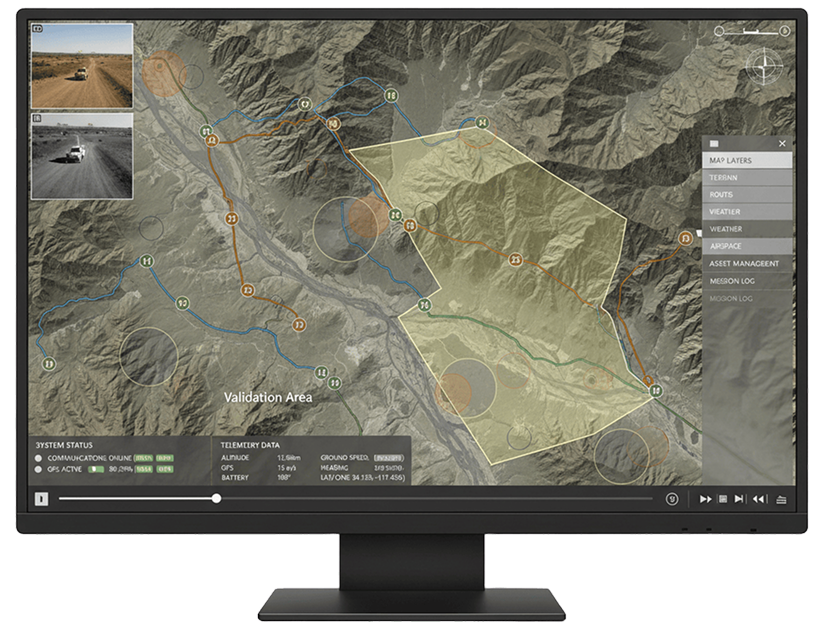
Scenarios in minutes
Build mission-realistic reps faster than scheduling a live range.
Shift to synthetic
Move prep and evaluation into simulation. Reserve live operations for what must be done in the field.
Operator-driven
Instructors create, adjust, and rerun scenarios without developers.
Proven playbooks to operations
Push validated procedures into the field, not untested theory.
Cross-domain
sUAS, UAS, ground, maritime, fixed sites, and mixed teams in one environment.
Measure what matters
Track Probability of Detection (POD), false alarms, time-to-cue, and operator response.
Capabilities
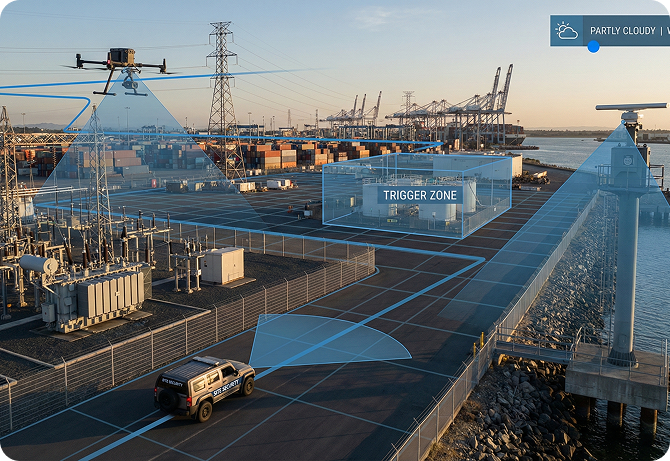
Build complex missions
Multi-asset, multi-domain scenarios with friendly, adversary, and neutral elements, dynamic weather, terrain, and injects.
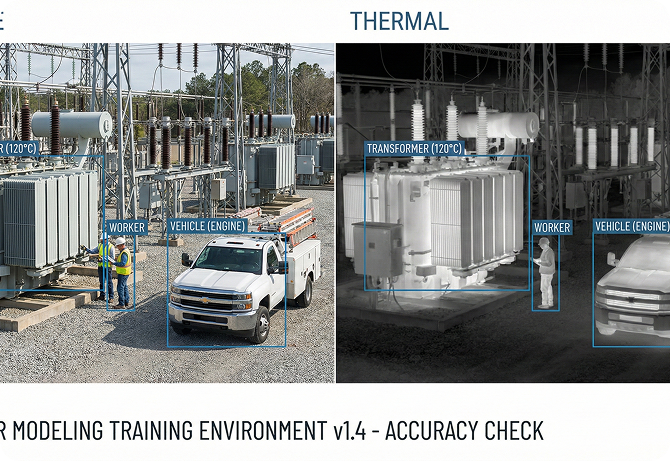
Train like the real thing
Sensor-accurate EO/IR with behavior models mirroring operations.
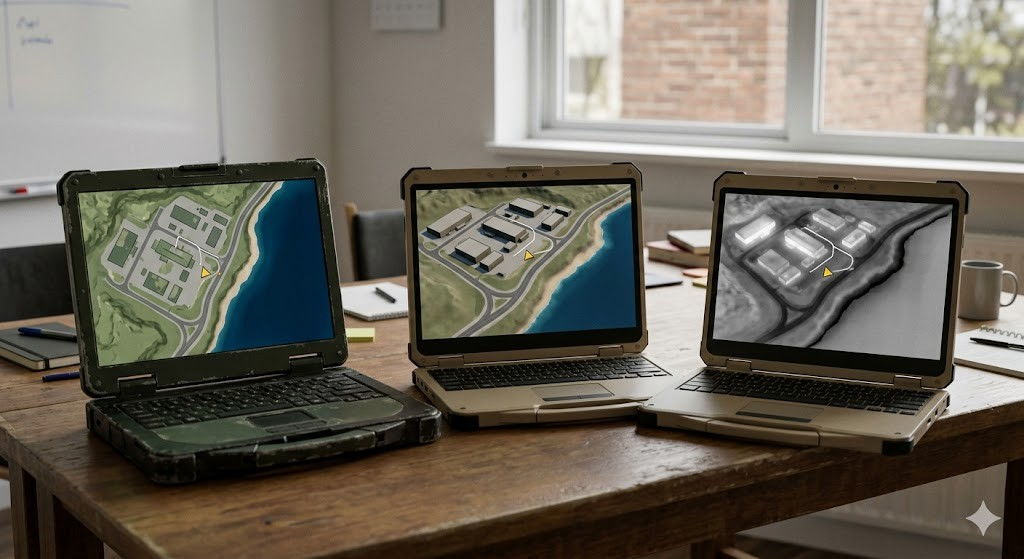
Rehearse as a team
Operator and autonomy coordination, comms discipline, decision practice under changing conditions.
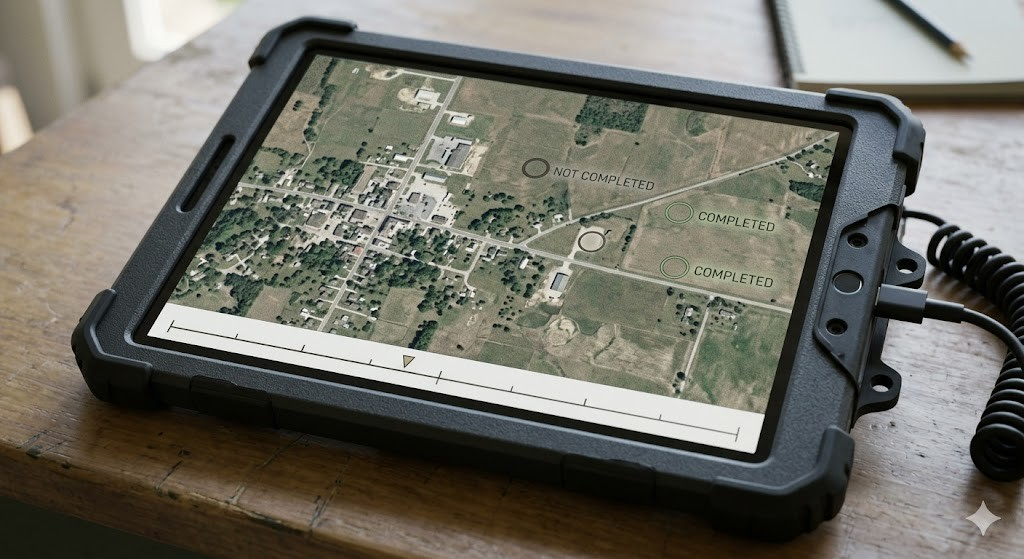
Measure and improve
Timelines, heatmaps, and objective scores driving the next rep.
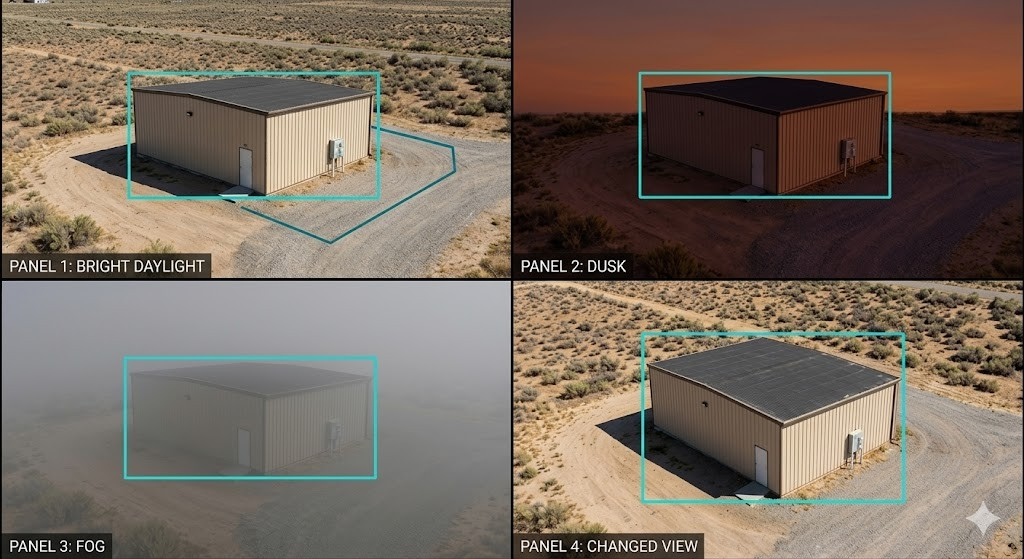
Grade automatically
Score by task, timeline, comms, and sensor use. Export for records.

Validate AI
Evaluate models, alert logic, and fusion pipelines before deployment.
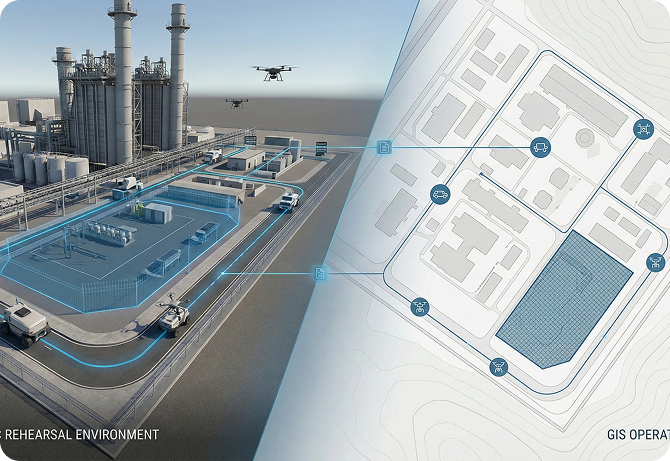
Connect existing tools
TAK, GIS, and mission systems integration.
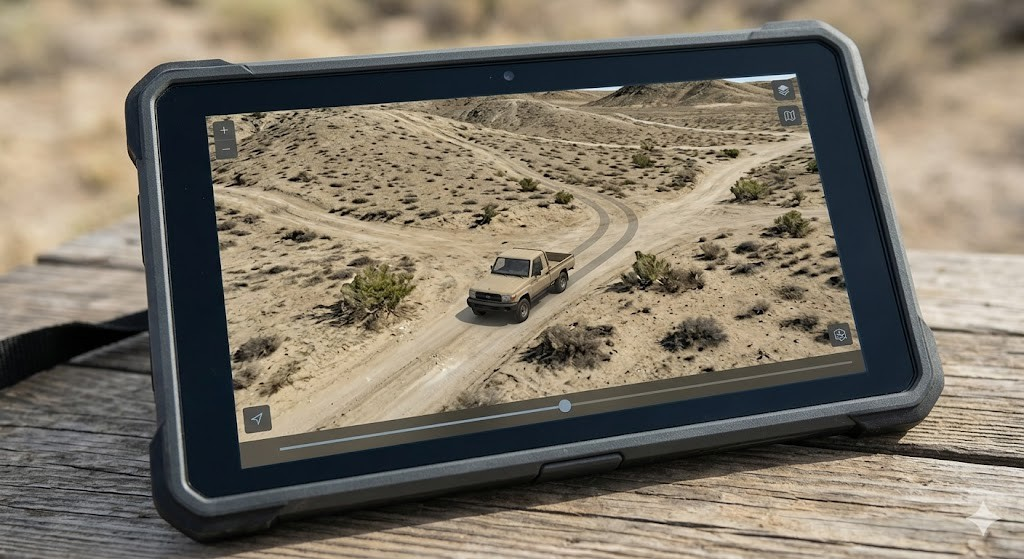
Replay operational data
Ingest recorded EO/IR, radar, AIS, and TacOS evidence bundles.

Supported Inputs
- Synthetic data from TargetModeler
- Recorded EO/IR, radar, AIS, track data
- TacOS operational logs and evidence bundles
- Custom terrain, shapefiles, airspace
The stack
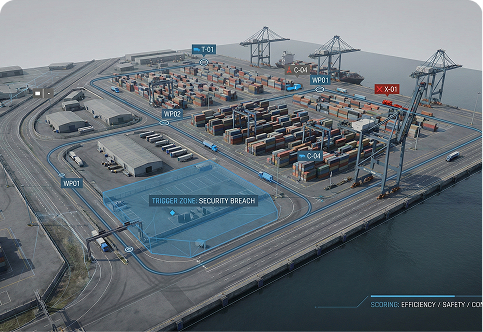
Scenario Studio
Drag-and-drop missions, forces, routes, triggers, injects, scoring.
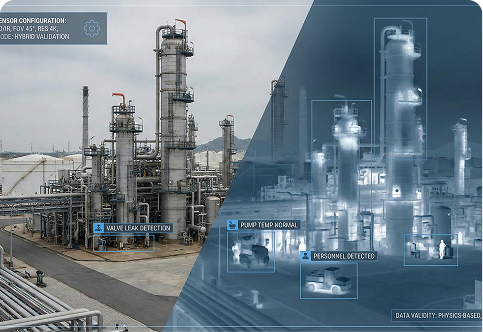
Sensor Lab
EO/IR simulation with labeled outputs for perception testing.
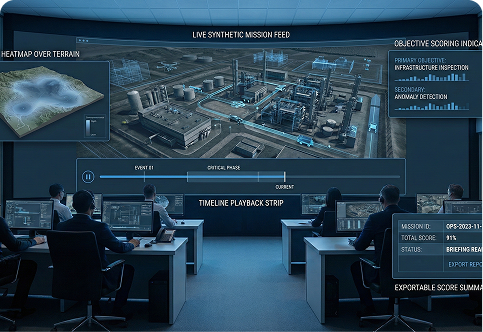
Operations Bridge
Live control, commuunications effects, and built-in grading with briefing timelines, heatmaps, and exportable scores.
Why teams trust It?
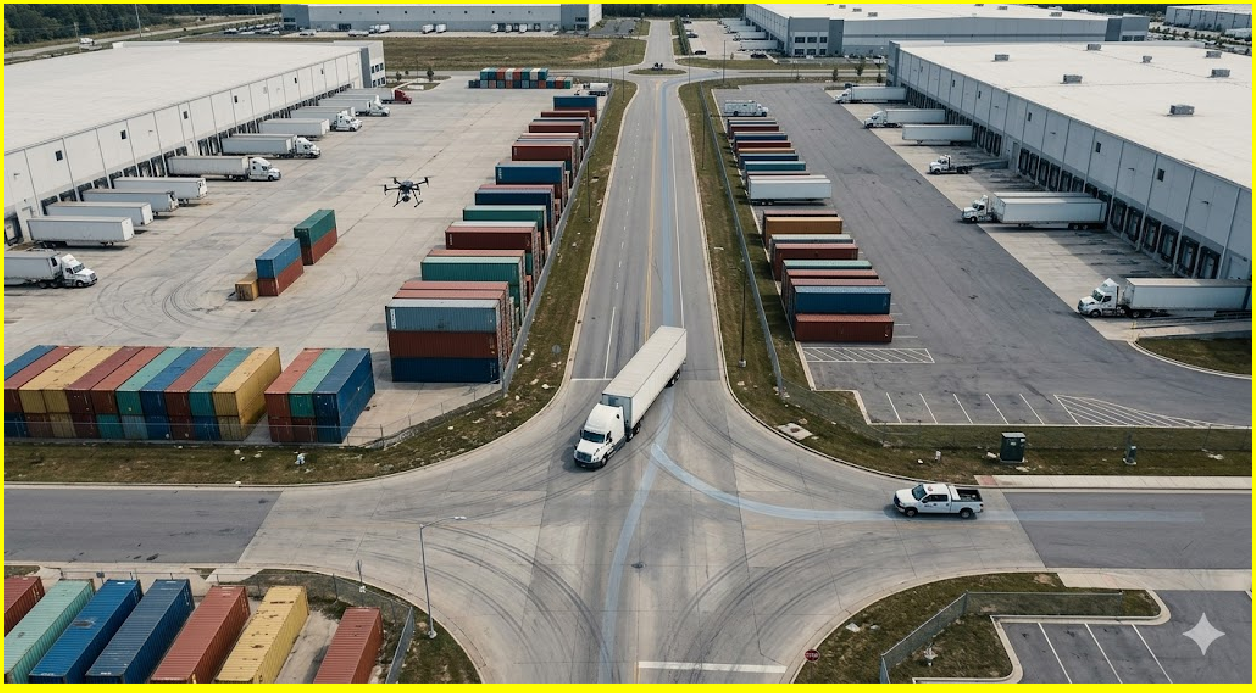
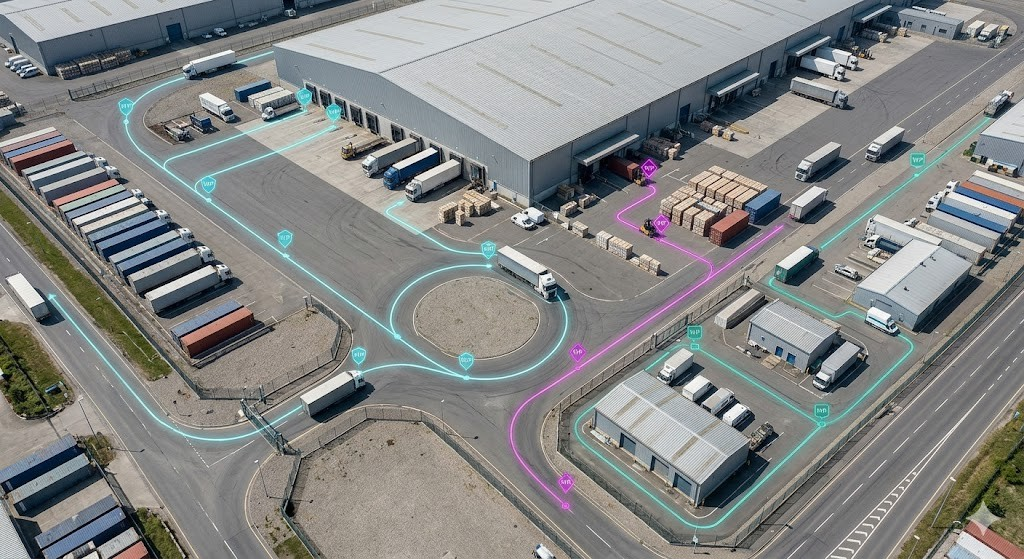
DIU-selected & Blue UAS–aligned
Built to help programs move from prototypes to fielded capability with U.S.-made components.
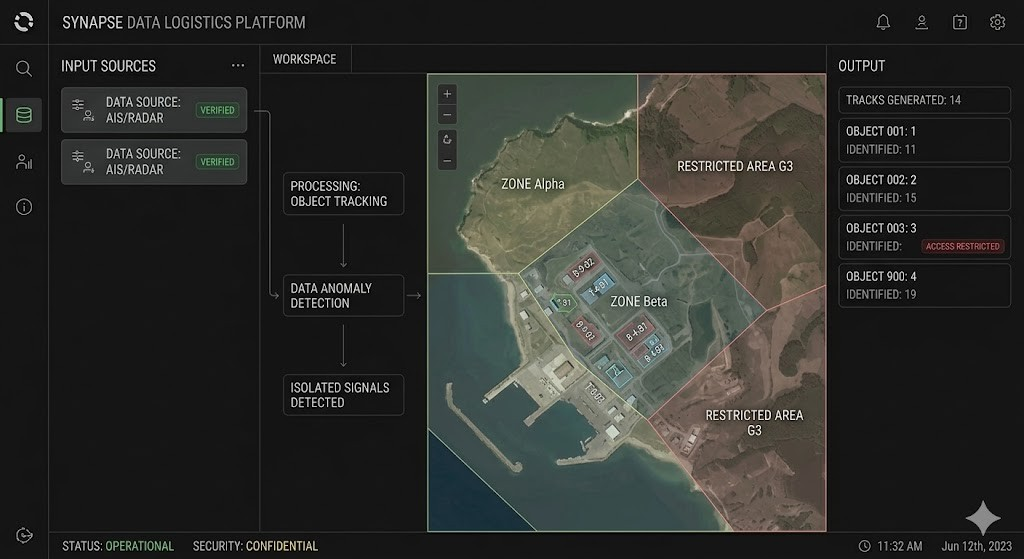
Proven in commercial operations
Supports industrial, logistics, and infrastructure training programs.
Secure by design
On-prem, disconnected ops, RBAC, audit trails. Classified environments up to Secret.
Operational impact
Accelerated qualification
Move prep into synthetic events. Reserve live operations for confirmation
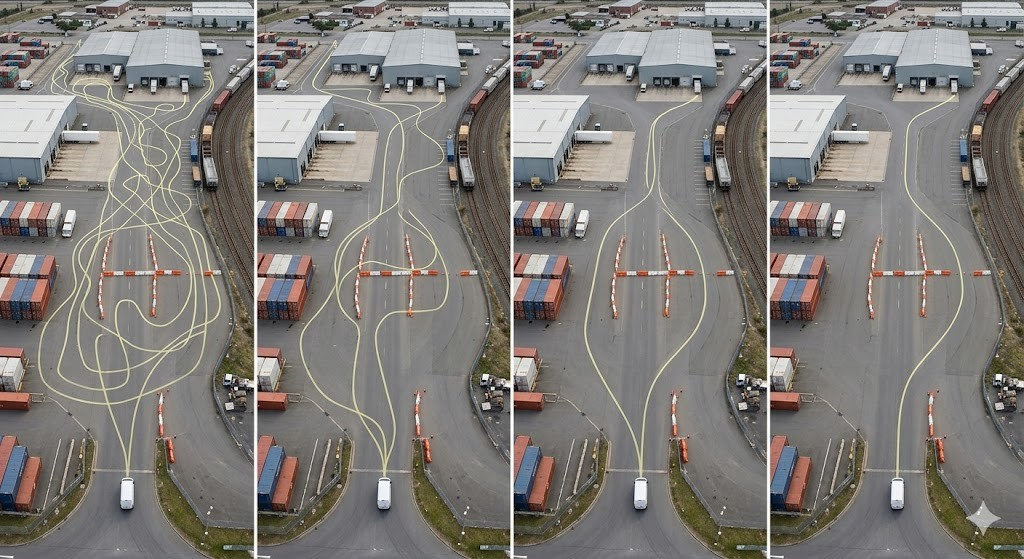
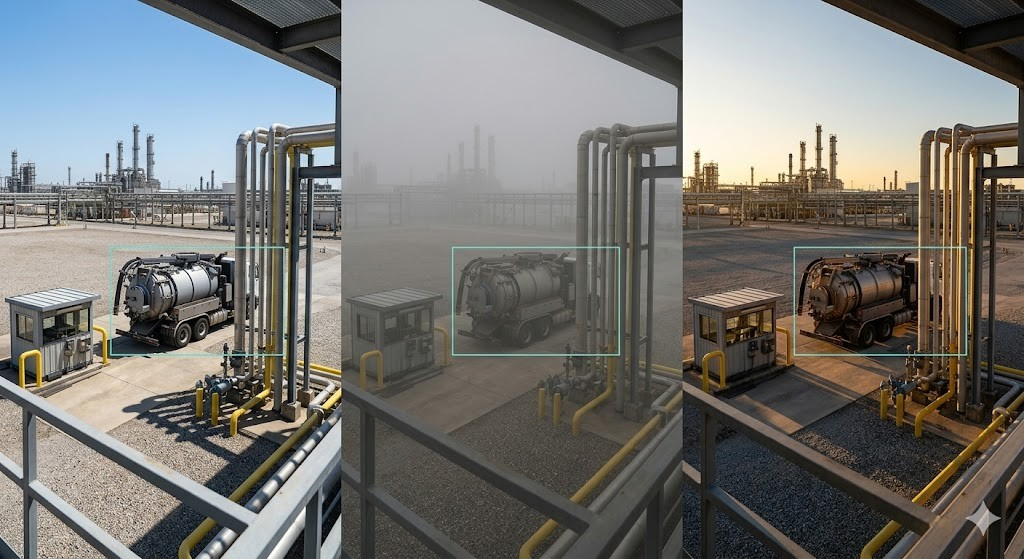
Validated detection
Measure detection and identification in SynDOJO before live evaluations.
Reduced range dependency
Shift re-runs and iteration to repeatable synthetic reps.

Efficient sustainment
Train in simulation. Concentrate live operations on must-do tasks.

Auditable records
Repeatable grades and debrief artifacts for qualification decisions.

Use Cases
Defense
sUAS/UAS ISR, route clearance, base security, maritime perimeter, contested communications rehearsals.
Public safety & Infrastructure
Search and rescue training, event security, pipeline patrol simulation.
Industrial
Yard logistics, warehouse inventory, inspection workflows.
OEMs & Integrators
Customer training, autonomy testing, structured acceptance events.
Workflow
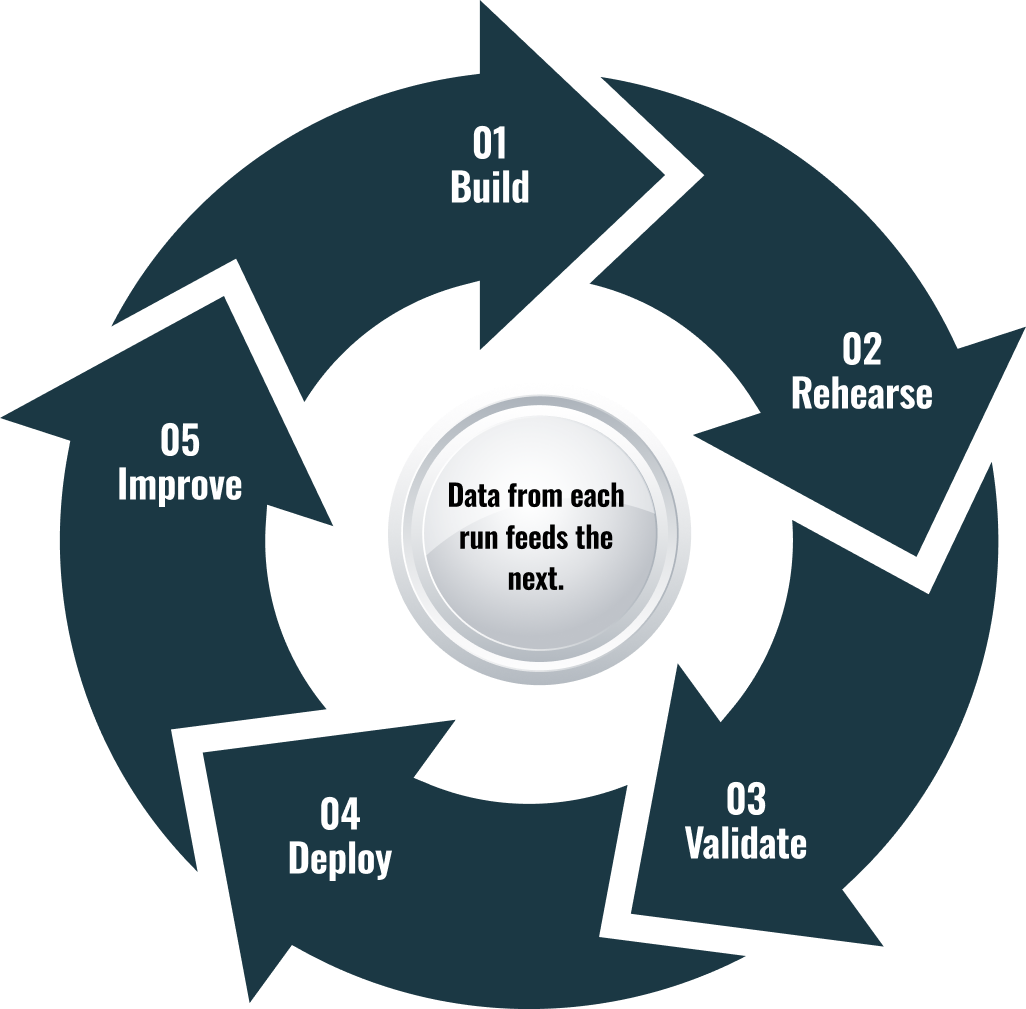
Each rep feeds the next. Performance climbs while costs stay flat.
Pricing & deployment
Laptop, workstation, or server. Standalone or networked. Unclassified through Secret. On-prem with optional cloud-assist.
Program impact at a glance

< 15 min
to first scenario

Live training spend
A larger share of training effort can move into synthetic events, reducing reliance on live-only training.

Repetitions per week
Synthetic runs make it possible to schedule more quality reps per week than live-only training, depending on program design.
FAQs
Yes, built for disconnected and secure environments.
Yes, processing and decisions run on device.
Yes, processing and decisions run on device.
Yes, processing and decisions run on device.